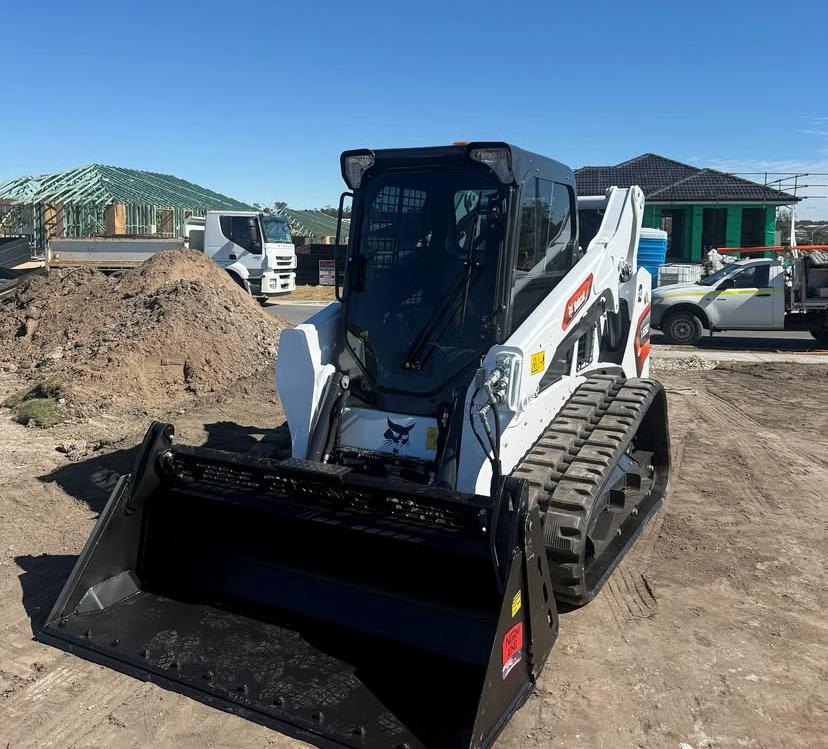


| Spec / Characteristic | What It Is / Why It Matters |
|---|---|
| Engine Power (Gross & PTO HP) | How much power the engine produces (“gross”) vs how much is usable at the PTO (Power Take-Off) to run implements. Determines what attachments you can run effectively. |
| Number of Cylinders & Displacement | Affects torque, smoothness, and how well the tractor handles heavy loads or steep terrain. |
| Transmission Type | E.g. hydrostatic (HST), powershuttle, manual, powershift, etc. Impacts ease of use, speed range, direction changes, etc. |
| 3-Point Hitch (Category, Lift Capacity, Controls) | Determines what implements you can connect; how much weight you can lift; and how precisely you can control the hitch (draft/position control). |
| PTO (Rear, Mid; RPM) | Number and type of PTOs, and their speeds—important if you will use mowers, tillers, snow blowers, etc. |
| Hydraulic Flow & System Capacity | How much hydraulic fluid per minute the system can move – this dictates how fast implements respond or operate. Includes total flow, implement flow, steering flow. |
| Fuel Tank Capacity | How long you can run before refuelling—important for work duration. |
| Operating / Machine Weight | Impacts stability, traction, transport logistics, ground compaction, etc. |
| Dimensions (Length, Width, Height, Wheelbase, Clearance) | Determines if the tractor fits through gates, buildings; how well it manoeuvres; and ground clearance for rough terrain. |
| Tire Size / Type | Affects traction, ride comfort, AG / industrial versus turf usage. Wider tires reduce ground pressure. |
| Speed (Forward & Reverse) | How fast you can travel, both for field work and moving between sites. |
| 3-Point Hitch Controls | Position control, draft control, types of stabilizers, etc. These affect how well the tractor can handle different loads in different soils. |
| Features / Accessories |
Cab vs open station; heating / air conditioning; lighting; mirrors; safety features (ROPS, seat belts); differential locks; remote hydraulics; loader compatibility. |
What to Look for / Consider
When evaluating Bobcat tractors (or comparing with others), these are some practical trade-offs or considerations:
- Power vs Fuel Use: More HP & hydraulic flow allow bigger implements and faster work, but consume more fuel.
- Transmission Type Preference: If frequent directional changes or loader work, powershuttle or hydrostatic are more convenient than manual.
- Lift Capacity & Hidraulics: If you work with heavy rear-mounted implements, or loaders, ensure the hitch and hydraulics are rated for them.
- PTO Types & Speeds: Some jobs require mid PTO; matching PTO RPM to implements matters.
- Size & Maneuverability: If you’ll operate in tight spaces (orchards, buildings, narrow lanes), smaller width, tight turning radius, good steering design are important.
- Comfort & Operator Features: Cab vs open station, AC/heat, visibility, ergonomic controls all matter for long-hours work.
- Service & Parts Availability: Bobcat has dealer networks, but locally availability of spare parts and service staff makes a big difference for downtime.
- Resale / Value: Well-documented models with popular specs often retain value better.




Reviews
There are no reviews yet.